Starting Your Landscape Over: Plan It With Your Lawn and Pest Program
A full yard remodel is the best moment to fix problems at the root, as long as the plan includes what happens after the plants go in.
October 20, 2026 · 4 min read
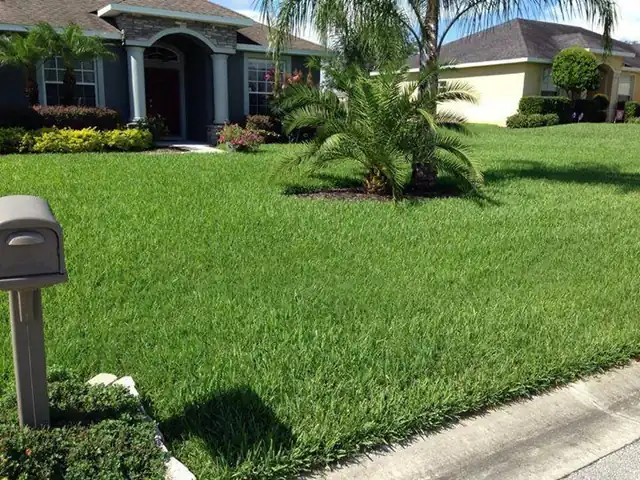
Sometimes a yard is past patching. The beds are overgrown, the shrubs have outgrown their spots, and the lawn is more weeds and bare dirt than grass. Fixing one bed at a time starts to feel like paying for the same repair twice.
That's when starting over makes sense. Brian Pest Control's landscaping service is built for that: it offers landscaping remodels and new installations, which means demolishing your existing landscape and installing new plants, shrubs, trees and sod. The planning you do beforehand decides how well that new yard does.
Decide what stays and what goes
Before anything is pulled out, walk the property with a notepad and your phone. Healthy mature trees are worth protecting, because they provide shade you can't buy back for years. Sound sections of lawn might be fine, and only the beds need work. Everything else can go.
- Take photos of the yard from every angle before work starts.
- Mark irrigation heads, valves, and any buried lines you know about.
- Note where water pools after a heavy rain, since drainage problems should be solved before planting.
- Track the sun: which areas get full afternoon sun, and which are shaded most of the day.
- List what you actually use the yard for, whether that's kids, dogs, entertaining or simply looking good from the street.
Match plants to the spot
Central Florida is hard on plants that aren't suited to it. Summer heat, sandy soil, sudden downpours and the occasional cold snap will punish a bad match. The most common mistake is planting for how something looks in a nursery, instead of how big it gets in five years.
Check mature size before choosing, keep trees well back from the roof, power lines and foundation, and group plants with similar water needs together so your irrigation can serve them properly. Ask what does well in your part of Lakeland, and what struggles. That kind of local knowledge matters more than any plant tag.
Think about pests before the first shovel
This is the step most people skip, and it's the one that connects your landscape to the rest of your property care.
When the old landscaping is cleared out, the soil along your foundation is exposed, often for the first time in years. That's a natural moment to ask about termite prevention, since treating bare soil is far more straightforward than working around mature beds. Termites can be a major problem in Central Florida, and mulch piled against a wall gives them cover.
- Keep new beds and mulch a few inches below the siding or stucco line, with a visible gap along the wall.
- Don't plant dense shrubs tight against the house, since they trap moisture and give ants and roaches a bridge indoors.
- Aim sprinkler heads away from walls so the foundation isn't soaked every morning.
- Avoid heavy mulch depth near the trunks of new trees and shrubs.
- Ask your pest provider whether a preventative liquid application should be timed with the remodel.
Give new sod and plants a real start
Fresh sod and new plants have shallow roots, so the first few weeks decide whether they take. Water on the schedule your installer gives you, check for dry corners and edges beside pavement, and stay off new sod while it roots. Walking on it, or running a mower across it too soon, is a quiet way to lose a lot of money.
Hot edges along driveways and sidewalks are also where lawn insects like chinch bugs tend to show up first. If your new turf is St. Augustine, keep an eye on those borders through the first summer.
As for starting a lawn spraying program on new sod, don't guess about timing. Ask the person who'll be doing the work when the right time is. The company describes its program as using high quality products on your lawn to give you the best-looking lawn in the neighborhood, with a variety of programs to suit different needs, and a new lawn has different needs than one that has been there for years.
Put it all in one conversation
The best results come when the landscape plan, the lawn plan and the pest plan are made together instead of one after another. Mention the remodel to your technician, and mention your pest and lawn history to the people doing the installation. Customers who've stayed with the company for years, like Nic Vescera, who says the team has cared for his yard for over 15 years, tend to be the ones where all of this is handled in one place.
If you're ready to start fresh, call Brian Pest Control at (863) 370-0545 for a free estimate. Come with your photos, your list of what you use the yard for, and any pest or lawn trouble you've had, so the plan covers the whole property and not only the new plants.
Brian Pest Control, Inc, (863) 370-0545
Call (863) 370-0545More articles
Active Termites or Prevention? What Central Florida Homeowners Should Know
Treating termites you already have and keeping them out are two different jobs, and knowing which one you need saves money and worry.
Chinch Bugs or Drought? How to Read the Brown Patches in Your Lawn
Brown grass in the heat could be thirst or it could be insects, and the fix for each is completely different.